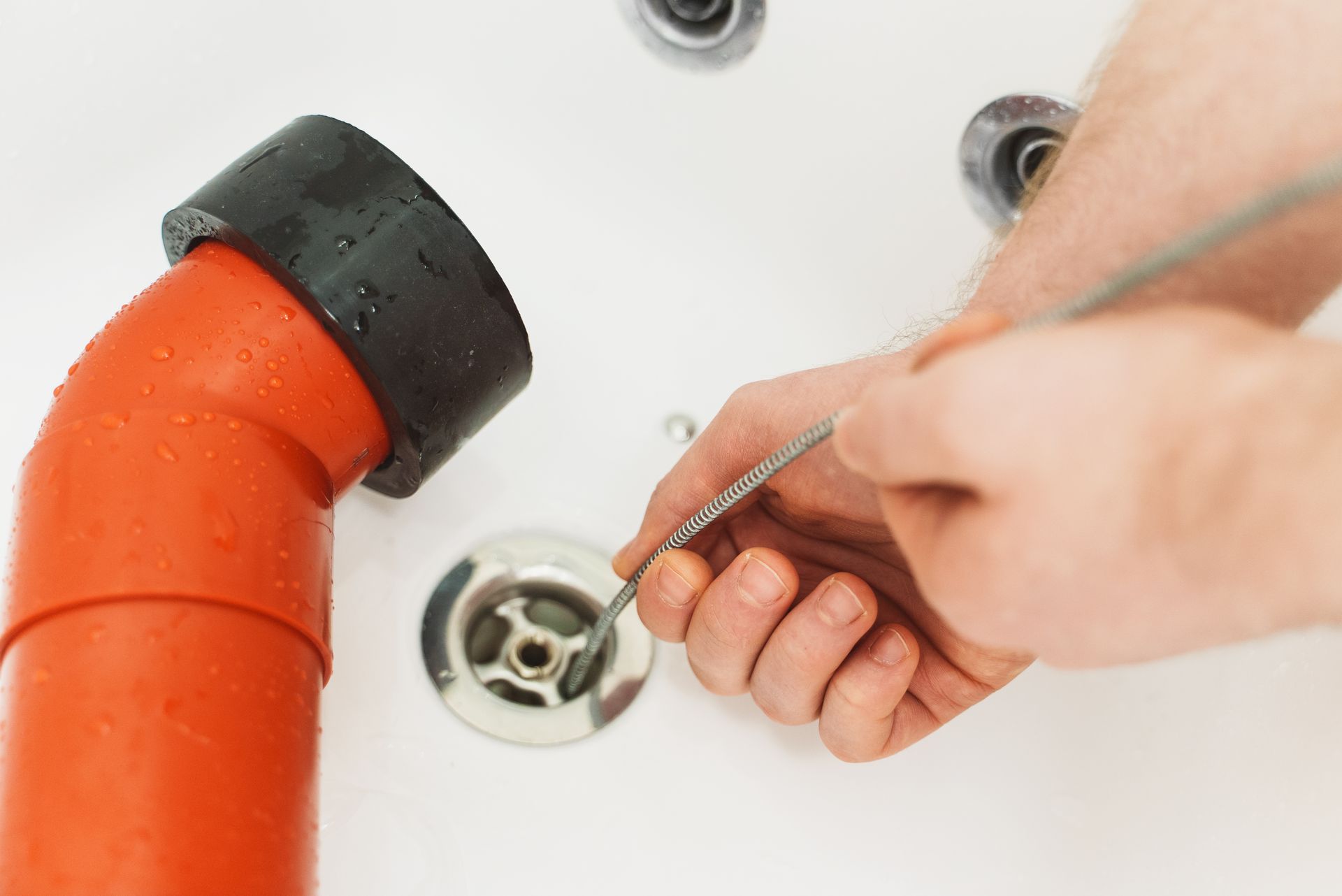

Why Plumbers Care About Cast Iron and Galvanized Pipes in Homes
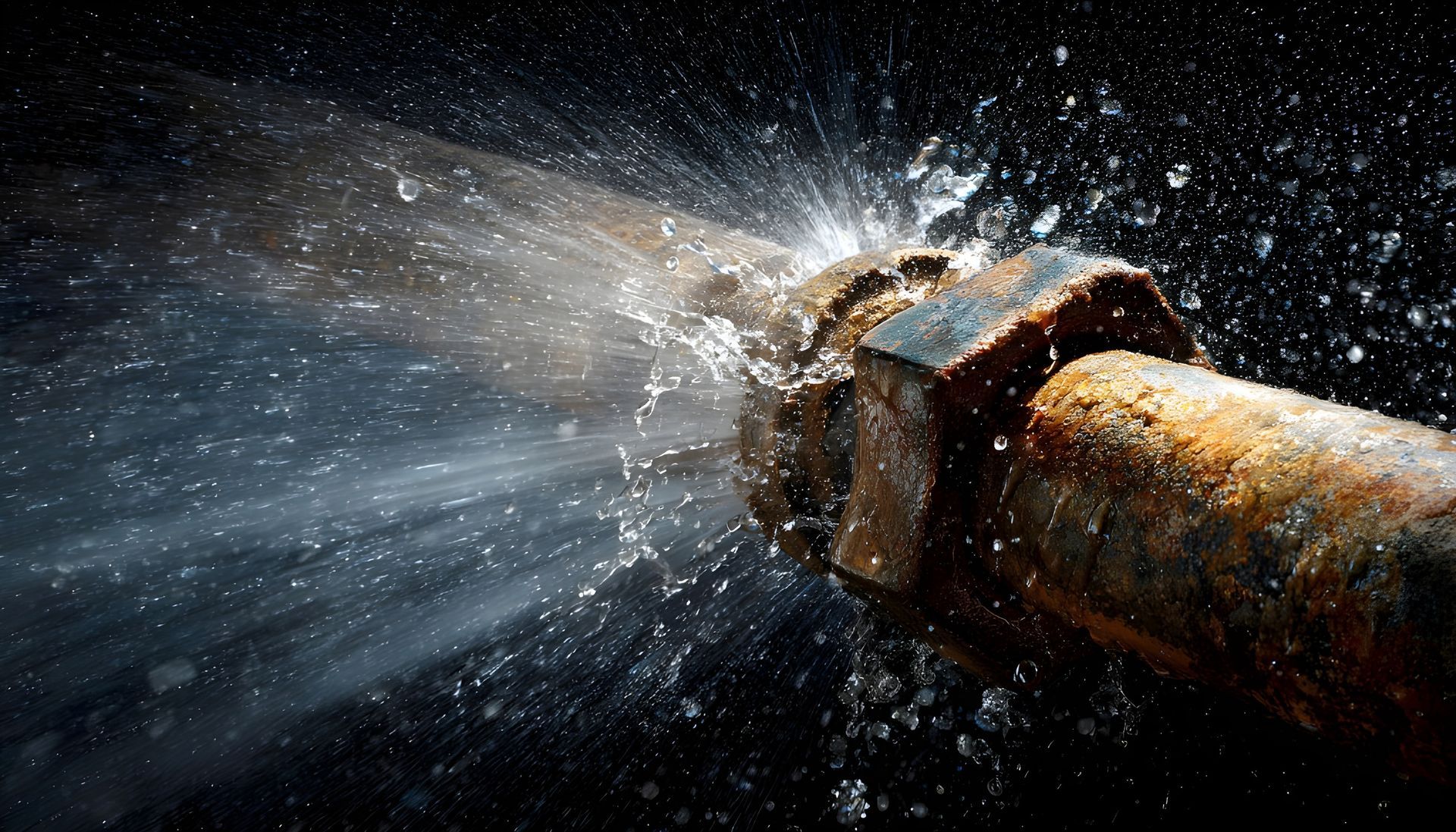
Older pipes are a real concern for homeowners across Tehama County. Many houses in and around Red Bluff, CA, were built decades ago, when cast iron and galvanized steel were standard residential plumbing materials. Knowing what these pipes are, how they age, and when to call a plumber can protect your home and your family's water quality.
What Are Cast Iron and Galvanized Pipes?
Cast iron and galvanized pipes are two of the oldest plumbing materials found in American homes. Cast iron was used primarily for drain, waste, and vent lines, while galvanized steel served as the go-to material for water supply lines from roughly the early 1900s through the 1960s.
Cast iron pipes are heavy, dark gray or black, and typically found running vertically or horizontally through older homes as sewer drain lines. Galvanized pipes are steel pipes coated in zinc to resist rust, identifiable by their dull gray color on exposed sections in basements, crawl spaces, or garages.
Why Do Red Bluff Homeowners Need to Pay Attention?
Red Bluff is the Tehama County seat, and its historic downtown dates to the 1850s. That history means a large share of local housing stock is old enough to contain original cast iron drains, galvanized supply lines, or both. A skilled plumber serving Red Bluff, CA, regularly encounters this layered plumbing history, where original materials sit alongside partial copper retrofits and newer fixtures in the same house.
Red Bluff's summer heat is also among the most intense in California, which can accelerate stress on aging pipe materials, particularly on exposed outdoor sections and connections. Because that stress builds gradually, it typically shows up as warning signs long before a pipe fails outright.
Warning Signs That Your Pipes May Be Failing
Aging pipes often give homeowners clear signals before a major failure. Common warning signs include:
- Discolored water, such as brown or orange tints, indicating rust inside galvanized supply lines.
- Low water pressure throughout the home, often caused by mineral and corrosion buildup restricting flow inside galvanized pipes.
- Persistent slow drains suggesting cast iron lines may be cracking, scaling, or separating at joints.
- Visible rust, flaking, or exterior corrosion on exposed pipe sections.
- Water stains on ceilings, walls, or floors without an obvious source.
- Knocking or rattling sounds inside walls when water flows.
If you notice two or more of these signs at once, the issue may be systemic rather than isolated.
How Do You Identify Which Pipe Type You Have?
Check exposed pipe sections in your crawl space, basement, or utility areas. A dull gray metal that leaves only gray color when scratched with a coin is typically galvanized steel. Heavy, dark-colored pipes draining downward are often cast iron. A licensed plumber can confirm the material and assess its interior condition far more reliably than a visual check alone.
How Long Do These Pipes Typically Last?
Cast iron drain pipes can remain functional for many decades depending on soil conditions, usage, and local water chemistry. Galvanized steel supply lines tend to have a shorter useful life and are prone to narrowing internally as zinc coating wears away and rust accumulates. Homes built before 1970 that have never been repiped may have supply lines well past their reliable service life.
When to Call a Plumber vs. When to DIY
Some minor tasks are manageable for a confident homeowner, such as replacing a faucet washer, tightening a supply line connection, or clearing a simple clog with a plunger.
However, anything involving cast iron or galvanized pipe inspection, repair, or replacement is best left to a licensed professional. These materials require specialized tools and knowledge of how they connect and fail, along with the camera inspection equipment needed to assess how much reliable service life they have left.
Call a professional without delay if you notice active leaks near pipe joints, significant water discoloration that does not clear after running water for several minutes, or a sewer backup that recurs after basic clearing.
If you are buying an older home in or around Red Bluff, CA, a pipe inspection before closing can reveal issues a general home inspection may miss, informing your negotiation and helping you plan for any needed upgrades.
Get a Professional Assessment for Your Red Bluff Home
If you suspect your home has aging cast iron or galvanized pipes, a professional opinion early can save significant money and stress. Sewer and drain inspection services use in-line video camera technology that lets a qualified plumber see exactly what is happening inside your pipes without guesswork or unnecessary excavation.
Rooter Scooter Sewer & Drain Service has been serving the Redding and Red Bluff communities since 1983, bringing decades of hands-on experience with the older plumbing systems common throughout Tehama County. The team is available 24 hours a day, seven days a week. For questions or to schedule a visit, contact us today, or find us on Google at Rooter Scooter Sewer & Drain Service.
Recent Posts